2026
Mating-dependent gut enlargement and immune suppression in field-caught Aedes aegypti
Communications Biology DOI ↗
Not all guts are created equal. We study how sex determination, mating, hormones, and the blood meal shape the female mosquito midgut — the tissue every pathogen has to cross first.
Welcome
The midgut is where a blood meal is digested, where the microbiota lives, and where viruses and parasites make their first move. It is also profoundly sexually dimorphic — and it changes after a female mates.
Our lab works out how sex-determination genes and endocrine signals, particularly juvenile hormone, remodel this tissue: which cells divide, which grow without dividing, how immunity is tuned down to let bacteria settle in, and what all of that means for how well a mosquito transmits disease. The goal is practical — find the points in vector physiology where control strategies can be made more effective and more durable than insecticides alone.
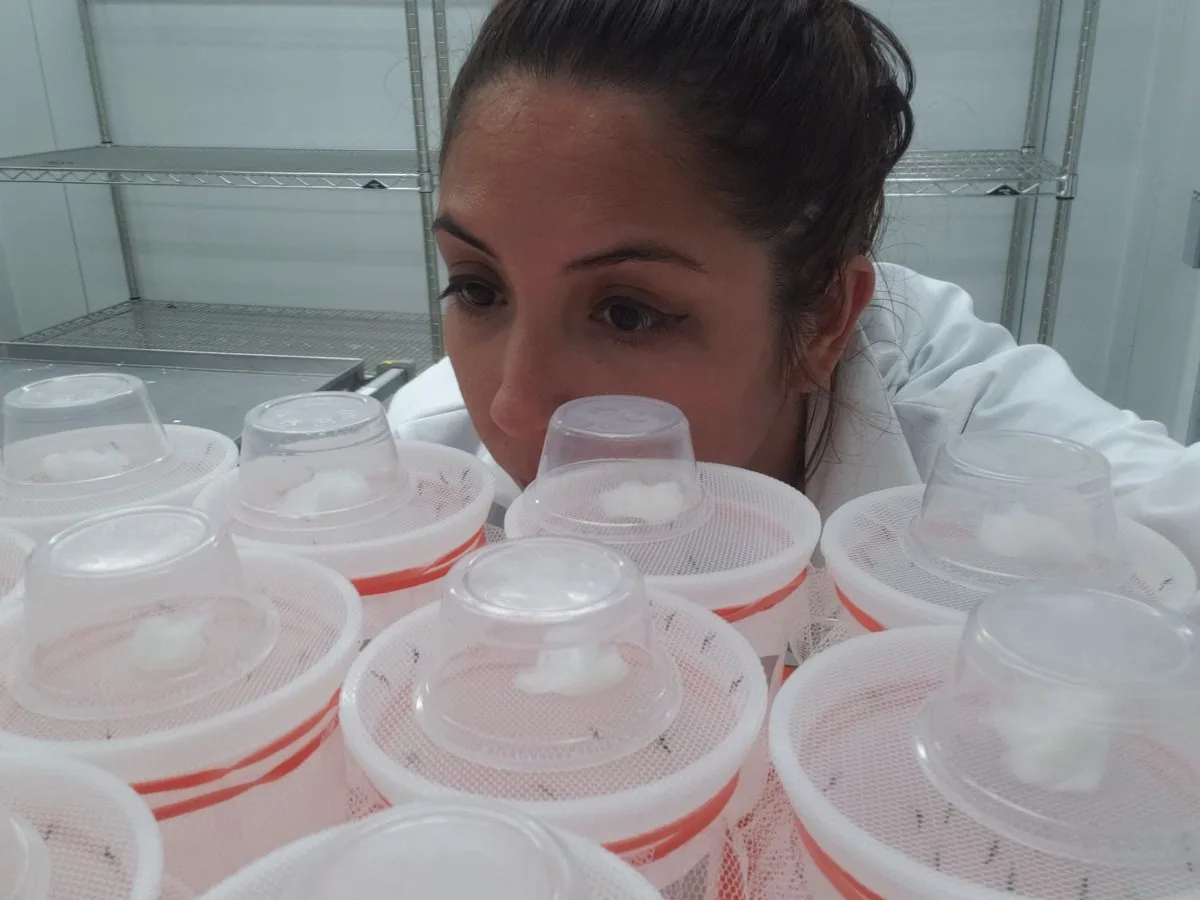
Mabel L. Taracena Agarwal, PhD — Assistant Professor, Department of Entomology, Cornell University (CALS). Faculty Fellow, Cornell Atkinson Center for Sustainability.
Three lines of work on the female midgut: sex determination, endocrine remodeling, and blood meal chemistry.
What we study →Graduate students, undergraduate researchers, and the collaborators who make the work possible.
Meet everyone →Peer-reviewed papers, protocols, and preprints — all with open links where they exist.
Read our papers →Openings for undergraduates, graduate students, and postdocs, and how mentoring works here.
Opportunities →Research
Each line starts from the same organ and asks a different thing of it. Open one to see what we are doing and how.
Sexual dimorphism in disease vectors is usually studied in the reproductive tract. But the midgut is dimorphic too — only females take blood, and only female guts do the physiology that follows. We work on how sex-determination genes, doublesex among them, specify that tissue. Knocking down female doublesex by oral RNAi reduces both the number and the fitness of adult female Anopheles gambiae, which makes this pathway a control target as well as a developmental question. We are working in both Aedes and Anopheles to determine the sex-specific determinants of cell identity in the gut.
Our proposal for a spatial single-cell atlas of the female midgut earned an honorable mention in the 10x Genomics Core Lab Grant, and the pilot is now going ahead with them — Visium HD and single-nucleus sequencing, resolving the tissue region by region and cell type by cell type.
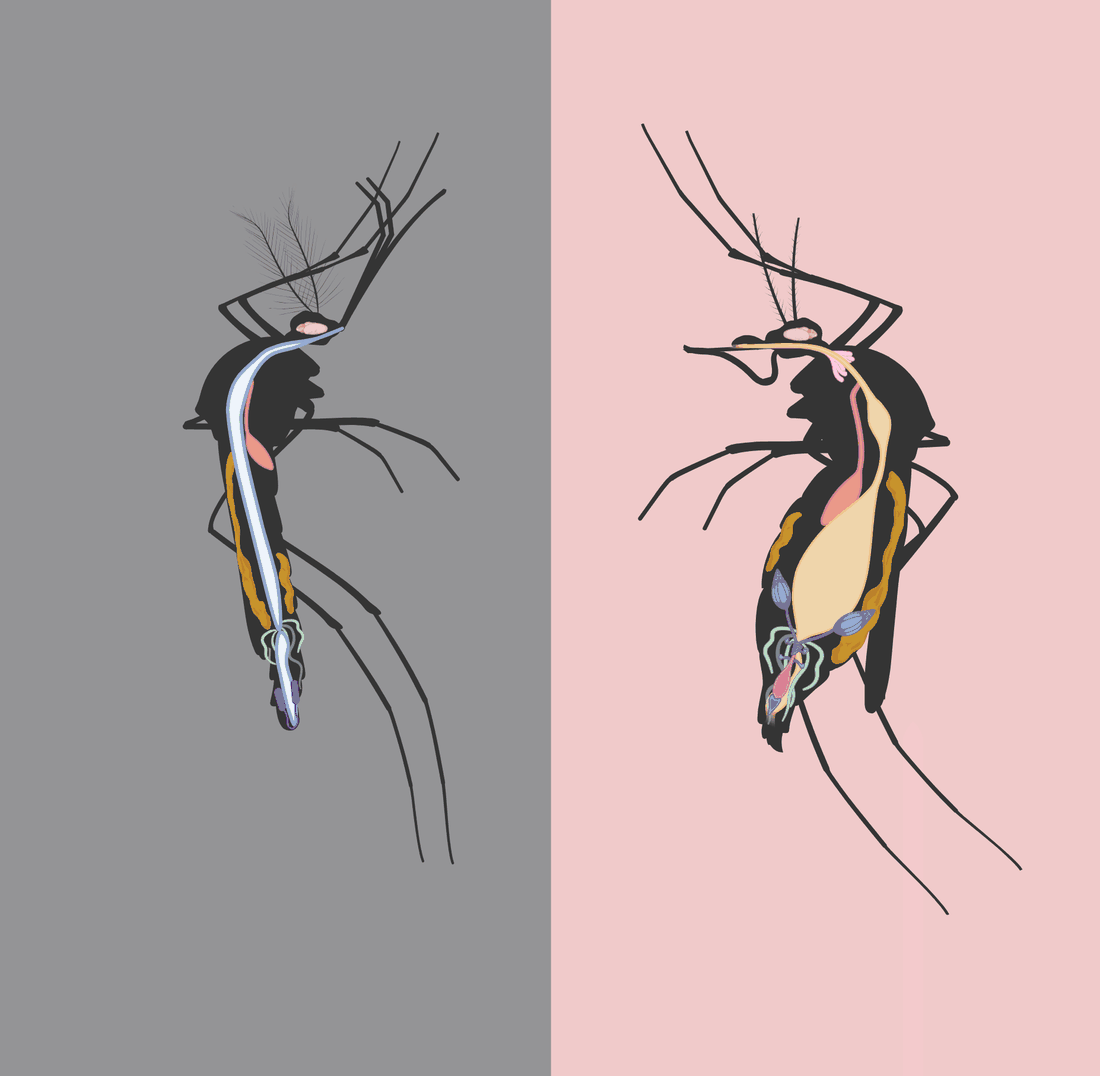
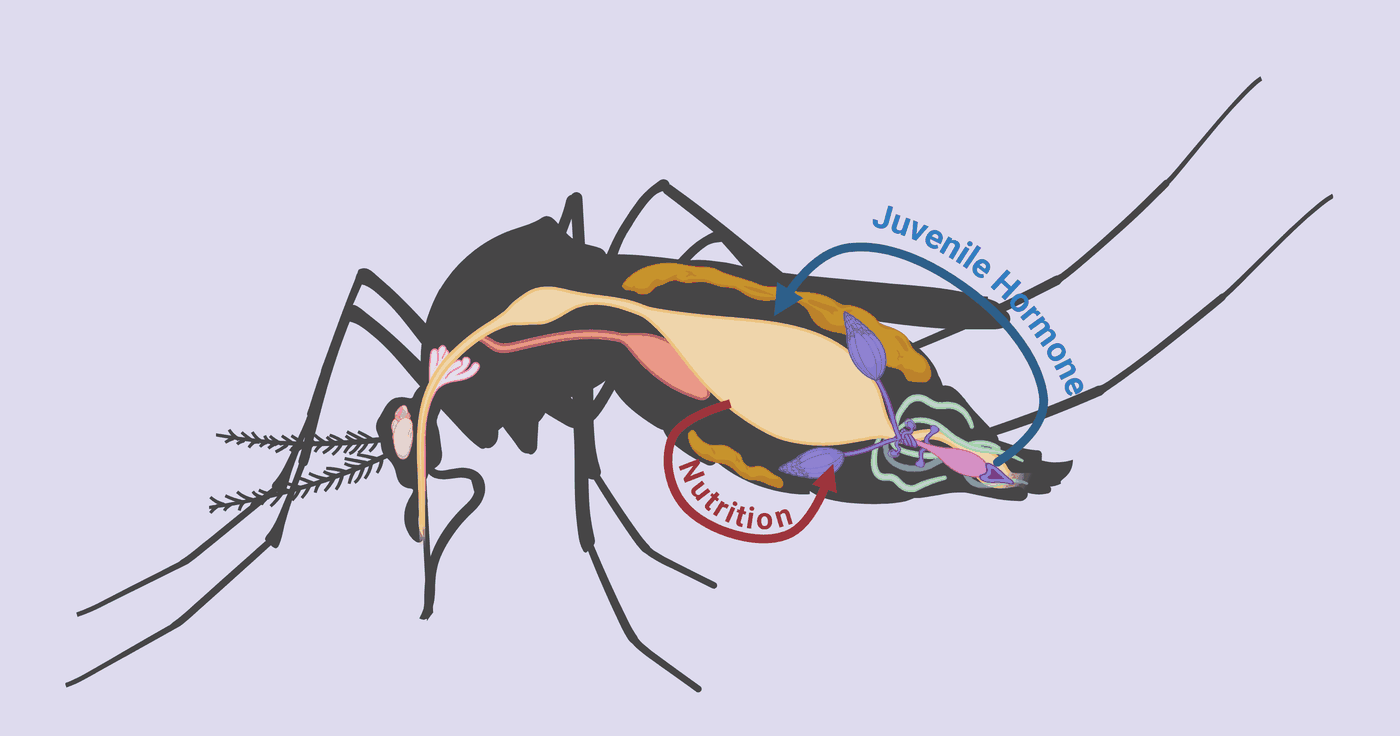
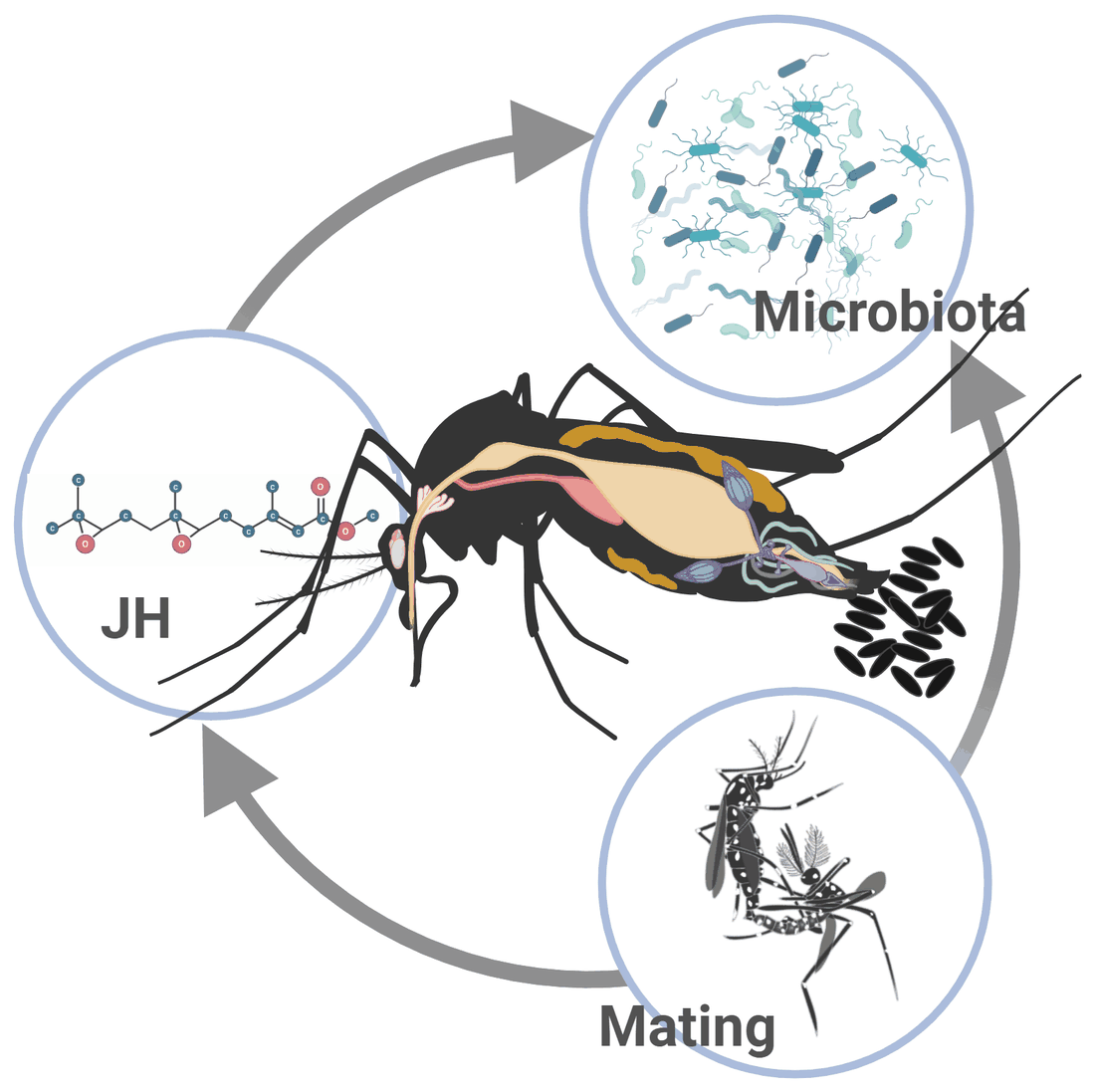
Mating changes far more than the reproductive tract. In Aedes aegypti, mating and juvenile hormone drive midgut growth and dampen the antimicrobial peptide response — and with immunity turned down, a native bacterial population takes hold. Mosquitoes carrying it lay more eggs and live longer. We are mapping the steps between the hormonal cue and the remodeled tissue, and asking what that immune trade-off costs in vector competence.
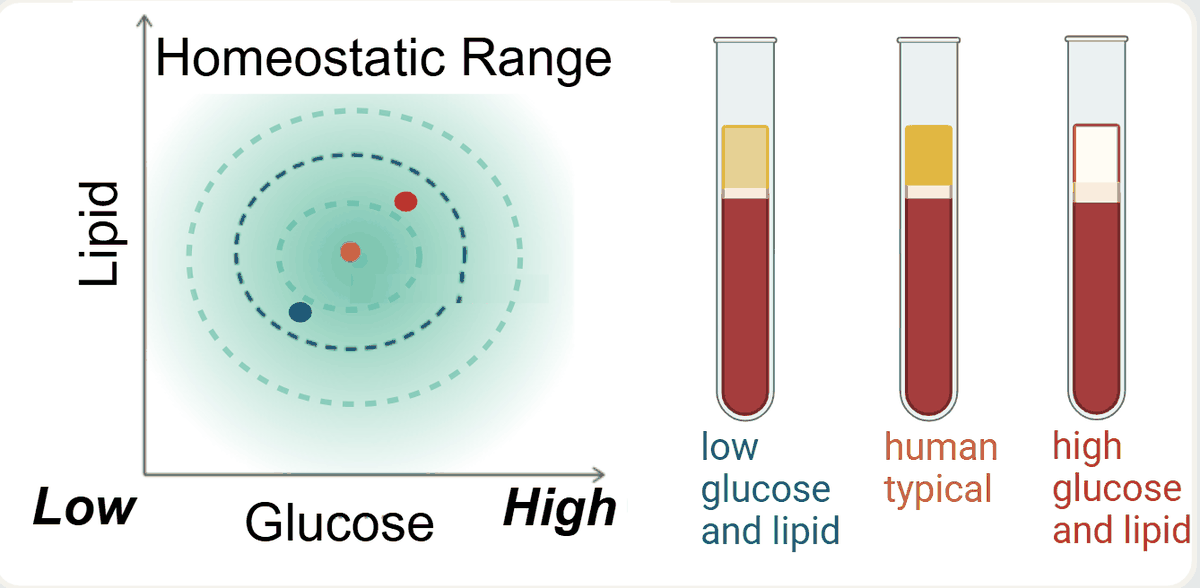
No two blood meals are the same. Composition shifts with the host, and the midgut has to digest, detoxify and rebuild against whatever arrives. The epithelium answers by adjusting proliferation and endoreplication — some cells divide, others copy their genome without dividing and grow instead. We are working out which components of the meal trigger that switch, and how the balance between the two routes sets the tissue's capacity to handle damage and infection.
Featured finding
Juvenile hormone suppresses antimicrobial peptide expression in the mated female midgut. Bacteria take hold, and the mosquito gets measurably fitter for it — more eggs, longer life. Fitness and immunity are trading against each other inside a single organ, on a schedule set by mating.
People
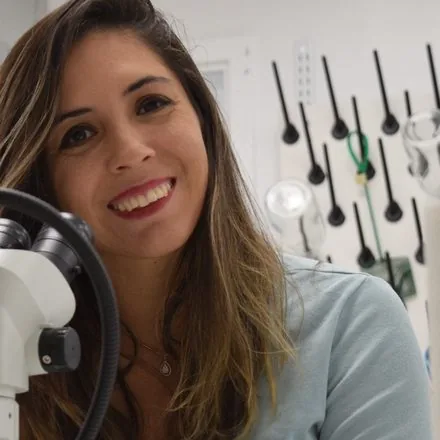
Principal Investigator
Vector biology and tropical disease. PhD, Federal University of Rio de Janeiro; postdoc at the CDC and at Cornell.

Graduate student
Biochemistry and microbiology, Universidad del Valle de Guatemala. Vector-borne disease surveillance and prevention.

Undergraduate researcher
Juvenile hormone biosynthesis and midgut proliferation in female Aedes aegypti. Pre-med, Biological Sciences.

Undergraduate researcher
Entomology major, CALS. Mosquito physiology, malaria and arbovirus transmission.

Lab technician
MS in Molecular Biology, Cornell University.
Publications
Communications Biology DOI ↗
Communications Biology 7:687 DOI ↗
BMC Biology 22:22 DOI ↗
Journal of Visualized Experiments (JoVE) Link ↗
Parasites & Vectors 12:170 DOI ↗
Lab news
The lab gave one main talk and one poster in Kolymbari, Greece.
Field-caught Aedes aegypti show the same mating-dependent midgut enlargement and immune suppression we found in the lab colony — with consequences for microbiota expansion and arbovirus susceptibility.
Mating and JH shape the midgut microbiota — and mosquitoes are fitter for it.
How the epithelium balances proliferation and endoreplication under physiological stress.
Join the lab
If you want to work on insect physiology, host–microbe interactions, or vector control — and you want to be mentored while you do it — get in touch.
We are actively looking for new undergraduate students. Tell us what interests you.
Fill out the formEmail with your CV, a paragraph on the questions you want to work on, and two references.
Email the lab